Muddler for Bar: The Essential Tool for Cocktails
Intro
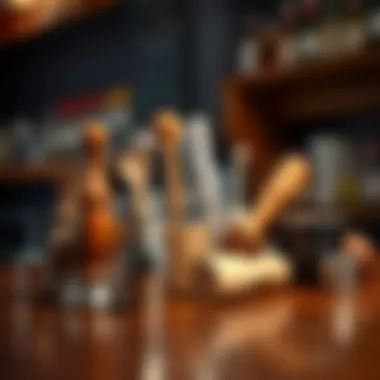
In the world of mixology, details matter. The ingredients, the measurements, and yes, even the tools employed can turn a simple drink into something truly extraordinary. One often-overlooked instrument in a bartender’s arsenal is the muddler. It may not command the same attention as the martini shaker or fancy glassware, but this humble tool can wield tremendous influence over the flavors of a cocktail.
When you stop to think about it, muddling is the art of extracting essence. It involves crushing fruits, herbs, or even spices to release their volatile oils and juices. This process allows bartenders to craft cocktails that burst with fresh taste and aroma, transforming the ordinary into the exceptional.
Before diving into the nitty-gritty, it’s essential to understand the significance of the muddler itself. There’s a richness that unfolds when fresh mint leaves, for instance, are muddled just right—releasing vibrant oils that uplift a mojito from a simple drink to a refreshing escape.
Over this exploration, we will delve deep into:
- The different types and materials of muddlers.
- Effective techniques for using a muddler.
- Its critical role in cocktail crafting.
- Pro tips for selecting the right muddler.
- Best practices for maintenance and care.
By the end of our discussion, whether you’re just dipping your toes into bartending or you’re a seasoned mixologist, you will have a more profound understanding of the muddler and how to wield it to refine your cocktail-making skills.
Prolusion to the Muddler
In the wide world of cocktail crafting, the muddler holds a unique and vital place. Not just a mere accessory, this small tool plays a significant role in how flavors are extracted from various ingredients, creating the very essence of a great drink. Understanding the muddler's importance not only enhances your cocktail-making experience, it also elevates the end product, ensuring that each sip is a pleasure.
This section will take a closer look at what exactly a muddler is, its primary functions, and some history behind this essential bar tool. This foundational knowledge is crucial for those aiming to master the art of mixology, whether you are a fledgling bartender or a seasoned enthusiast.
Definition and Basic Functionality
A muddler can be defined simply as a bar tool designed to crush and mash ingredients. If you’ve ever had a mojito or a caipirinha, you’ve likely encountered a muddler in action. With a robust yet precise shape, it allows bartenders to break down fruits, herbs, and spices to release their natural oils and juices.
In its most basic function, the muddler aids in integrating fresh flavors into a cocktail base. To use it, one typically places the chosen ingredients into a glass and presses down with the muddler. The motion should be firm yet gentle, as over-muddling can lead to bitterness—particularly with delicate herbs like mint. It's a simple tool that serves a profound purpose in that moment of mixing flavors in your drink.
Historical Context
The history of the muddler is a reflection of how cocktail culture has evolved over the years. Historically, it appears that similar tools existed long before cocktails were formally identified as a category. In fact, ancient Egyptians and even some far eastern civilizations utilized pestle-like tools for grinding herbs and spices—not too far off from what modern muddlers achieve.
As cocktails gained traction in the 19th century, particularly in the United States, the necessity for a tool specifically for muddling became evident. The classic bartender's guide, written by Jerry Thomas, known as the "father of American mixology," documented various methods for crafting drinks, which also included muddling techniques. Through the years, as cocktail recipes evolved and diversified, so did the muddler itself, leading to various designs crafted from wood, plastic, or metal. Each material brought its advantages to the bar, adapting to different cocktail-making styles and trends.
In understanding where the muddler fits in the greater scheme of bartending—both in the past and present—it becomes clear that this unassuming tool is indispensable. Its combination of simplicity and functionality underscores the foundational aims of flavorful cocktail creation.
Types of Muddlers
Understanding the various types of muddlers is crucial for both novice and seasoned mixologists. Each type is best suited for specific purposes, and the choice can greatly influence the outcome of a drink. Whether you're muddling mint for a mojito or crushing fruit for a caipirinha, having the right muddler not only enhances the process but also improves the flavors extracted in cocktails. Knowing the pros and cons of each type ensures a satisfying cocktail experience every time.
Wooden Muddlers
Wooden muddlers have long been the traditional choice in bars and home kitchens alike. Crafted typically from hardwoods like beech or maple, these muddlers are appreciated for their durability and ability to extract essential oils from herbs and fruits effectively.
One of the notable benefits of wooden muddlers is their tactile quality. The texture enables a solid grip, making the muddling process feel instinctual. Moreover, they don’t conduct heat like metal, which can help maintain the integrity of fresh ingredients.
However, there are drawbacks to consider. Wooden muddlers require more care for maintenance. They can absorb flavors and aromas, which may lead to cross-contamination in subsequent cocktails unless properly cleaned. Additionally, they can be prone to wear over time, leading to splintering or cracking.
Some enthusiastic bartenders recommend a wooden muddler for classic cocktails focusing on fresh herbs or softer fruits. The warmth and tactile feedback they provide can truly enhance the muddling experience.
Plastic Muddlers
Plastic muddlers present a more budget-friendly option and are often favored in busy bar settings where durability is paramount. These tools are lightweight and resistant to breaking, which is useful during fast-paced service. Their smooth surface can prevent scratching of glassware, a notable advantage in mixed drink presentations.
Plastic options typically feature a sturdy construction that can handle the rigors of frequent muddling. They are often dishwasher safe, making them easier to maintain than their wooden counterparts. However, they might lack the performance when it comes to extracting subtle flavors from delicate ingredients compared to wood or metal.
Whether you’re muddling fruit for a refreshing sangria, or herbs for a unique twist in your cocktails, a plastic muddler can get the job done reliably and efficiently.
Metal Muddlers
Metal muddlers, often made from stainless steel, are hailed for their sleek design and modern appeal. The undeniable sturdiness of metal means that they can withstand significant stress during use without showing signs of wear.
One of the most significant advantages of metal muddlers is their ability to conduct heat effectively. This feature can be particularly beneficial when muddling ingredients like fruits that may release juices or oils more readily when slightly warmed. Plus, they provide a certain aesthetic polish to any bar setup, appealing to those who prioritize style alongside functionality.
On the downside, metal muddlers can be slippery to hold, especially when wet. The solid construction might also become too powerful for delicate ingredients if not handled with care, leading to over-muddling. Caution is advised when using these tools with softer herbs or fruits, which can easily disintegrate under excessive pressure.
In summary, selecting a metal muddler can give a modern flair to your home bar while providing robust performance in crafting cocktails.
Usage Techniques
The way a muddler is used can radically change the drink's character. Proper usage techniques fundamentally enhance the overall cocktail experience, elevating simple ingredients into harmonious blends. Whether brewing a mint julep or a classic mojito, understanding the nuances of muddling is a game changer in flavor extraction and presentation. Let’s dive into the specifics, from executing proper techniques to recognizing common mistakes that could lead any bartender astray.
Proper Muddling Techniques
To begin with, knowing how to muddle effectively is crucial. The aim here is to release concentrated flavors from the ingredients without overdoing it. A gentle pressure goes a long way. Here’s how you can nail it:
- Positioning: Place your ingredients in the glass, usually at the bottom, to prevent over-splashing.
- Angle: Hold the muddler at about a 45-degree angle, ensuring better contact with the material.
- Technique: Instead of a vigorous smash, opt for a slow twist and gentle press. This helps in breaking down herbs without shredding them into bits.
- Layering Flavors: Start with the most robust flavors, such as limes or citrus fruits, followed by herbs, to build complexity gradually.
Remember, muddling isn’t just about crushing things. It’s an art form that demands patience and practice.
Common Mistakes to Avoid
Despite being a simple task, muddling comes with its pitfalls. Here are a few common missteps that can lead to subpar cocktails:
- Over-Muddling: Getting too aggressive can release bitter flavors from herbs or break up citrus pith. Less is often more.
- Wrong Ingredient Order: Failing to layer flavors can lead to uneven extraction, resulting in a lackluster drink. Start from the bottom and work up.
- Using the Wrong Tool: Not all muddlers are created equal. A wooden muddler is often preferable for herbs while metal might work better for fruits. Pay attention to the texture and material.
Avoiding these mistakes not only saves the drink, but also impresses your guests.
Enhancing Flavor Extraction
Proper muddling isn't just about mixing; it’s about maximizing flavor potential. Here are some strategies to improve extraction when you’re muddling:
- Fresh Ingredients: Always opt for the freshest herbs and fruits. Wilted herbs or old fruit simply can’t provide the same burst of flavor.
- Temperature Matters: Muddling at room temperature often yields better results than icy items; cold can inhibit flavor release.
- Pre-Muddling: Bruising herbs slightly before the final muddle can release their essential oils more effectively, enhancing the flavor in the drink.
- Experiment with Techniques: Try different muddling techniques, such as tapping versus twisting, to discover personal preferences that yield the best results.
“A muddler is not merely a tool; it's an extension of a bartender’s creativity.”
Cocktails That Require Muddling
Muddling is a crucial technique in the world of cocktails. It draws out essential flavors from fruits, herbs, and other ingredients, effectively enhancing the overall taste of drinks. Understanding which cocktails necessitate muddling not only elevates the quality of the beverages but also allows the bartender to showcase their skills and creativity. Moreover, each cocktail made with a muddler is a testament to the interaction of various flavors, making the process akin to crafting a delicious symphony.
Classic Cocktails
Classic cocktails, such as the Mojito or Old Fashioned, often rely on muddling as a foundational technique.
- Mojito: This refreshing combination of mint, lime, sugar, and rum gets its unique flair through proper muddling. The gentle press releases mint oils that can be easily lost without this crucial step. Each sip yields a burst of flavor that dances on the palate, embodying the summer vibes of Cuba.
- Old Fashioned: Here lies a drink that is equal parts history and functionality. The muddler plays a key role in releasing the oils from the orange peel and sugar cube, infusing the whiskey with a smooth yet bold hint of citrus sweetness. It’s a drink that packs a punch, but it all hinges on that first muddle to coax the intricate flavors into life.
By indulging in these classics, bartenders have the chance to refine their muddling technique, ensuring that each drink they present is as flavorful as possible.
Modern Mixology
Fast forward to the present day, and modern mixology embraces muddling but adds its own twist. People are experimenting with ingredients that expand the palate.
- Berry Basil Smash: This contemporary cocktail invites muddling in charming new ways. The fresh basil and muddled berries create a fusion that’s both tart and aromatic. Here, the muddler becomes an instrument of creativity, allowing the bartender to usher in a symphony of flavors—sweet, herbaceous, and tangy.
- Pineapple Ginger Daiquiri: Another example of how muddling is evolving. The combination of ginger, pineapple, and rum is revitalized with a little muddling. The heat from the ginger complements the sweetness of the pineapple, creating a drink that is refreshing yet surprisingly complex.
These modern concoctions highlight the versatility of muddling, showing that it is not confined to traditional recipes. The world of cocktails is ever-growing, and understanding the role of a muddler makes the journey infinitely more delightful.
Key takeaway: Cocktails that require muddling serve as a bridge between tradition and innovation. Each drink is a canvas, where the muddler is the brush that beautifully blends flavors.
In essence, mastering muddling enriches both the cocktail-making experience and the resulting drink. Whether pouring classics or crafting groundbreaking modern mixology, the muddler remains an indispensable ally behind the bar.
Choosing the Right Muddler
Choosing the right muddler is a critical decision for any bartender, be they a professional or just a passionate home mixologist. Each muddler is designed with a distinct set of functionalities, suited for various types of cocktails and ingredients. Selecting a suitable muddler not only enhances your cocktail-making experience but also influences the final outcome of your drinks, affecting flavor extraction and presentation.
Factors to Consider
When you are in the market for a muddler, there are several factors to weigh in your decision:
- Material: Muddlers come in different materials like wood, plastic, and metal. Wooden muddlers are often favored for their strength and traditional appeal, while plastic options can be lighter and less prone to damage. Metal muddlers tend to be more durable but can interact poorly with delicate ingredients, potentially altering flavors.
- Length: Longer muddlers provide greater leverage and facilitate muddling in taller glasses, which is essential for crafts like mojitos. Shorter muddlers can offer more control but may struggle with depth in larger vessels.
- Shape: The end of a muddler can have various shapes. A flat surface is better suited for fruits and herbs, providing a more efficient extraction of flavors. Conversely, a ridged or textured end can aid in breaking down tougher ingredients.
- Weight: A heavier muddler can deliver more force while muddling, making it easier to crush harder items like ice or root-based herbs without excessive effort.
These considerations are foundational in ensuring optimal muddling, elevating not just the cocktails but also the experience of crafting them.
Recommendations for Beginners
For those just dipping their toes into the spirits world, choosing the right muddler may feel overwhelming. Here are some straightforward recommendations to keep in mind:
- Start Simple: A basic wooden muddler is often the way to go for beginners. It’s durable and effective for standard muddling tasks required in popular cocktails.
- Opt for Comfort: Find a muddler that feels good in your hand. You're likely to use it often, and comfort can make a huge difference during prolonged use.
- Consider Versatility: A muddler that's slightly shorter and made from durable material can be very versatile for mixed drinks. You won’t often need a fancy tool when starting out; something practical will serve you just as well.
- Look for Easy Maintenance: As a novice, it's best to pick a muddler that you can easily clean. Wooden muddlers may require some extra care to avoid mold, while plastic options can usually just go in the dishwasher.
Maintenance and Care
Taking care of your muddler is essential if you want to maintain both its functionality and integrity over time. Just like any other kitchen tool, a muddler requires proper maintenance to ensure it can tackle the tough jobs associated with cocktail crafting. When you think about it, a well-maintained muddler contributes directly to the flavor and quality of your drinks, serving your palate with consistency and precision.
Safeguarding your muddler not only enhances its lifespan but also plays a significant role in your overall cocktail experience. Whether you have a wooden, plastic, or metal option, understanding how to clean and store it properly can keep it looking and performing its best for years to come.
Cleaning Techniques
Cleaning your muddler is a relatively straightforward process, but there are nuances to consider based on the material. Here are some tips to keep in mind for the various types:
- Wooden Muddlers:
- Plastic Muddlers:
- Metal Muddlers:
- Hand wash with warm, soapy water and a soft sponge to avoid damaging the wood.
- Rinse thoroughly, ensuring no soap residue remains to interfere with taste.
- Avoid submerging it in water for long periods; soaking can warp and splinter the wood.
- Occasionally, treat the wood with mineral oil to maintain its sheen and durability.
- These are typically dishwasher safe, but to be safe, hand wash with warm water and mild detergent.
- Pay attention to crevices where residue may linger. A bottle brush can help reach those spots.
- Avoid exposing plastic to high heat or direct sunlight, as it can warp over time.
- Clean with warm water and a non-abrasive cloth.
- Avoid harsh chemicals that could tarnish or damage the finish.
- Always dry metal thoroughly to prevent rust, especially if it’s a stainless steel model.
"A clean muddler is not just a happy muddler; it’s a ticket to better cocktails."
Incorporating these cleaning routines into your bartending schedule might seem tedious, but remember that the quality of your tools reflects the quality of your craft.
Storage Solutions
Where and how you store your muddler can influence its longevity significantly. Here’s a few strategies to consider:
- Dedicated Drawer or Slot: If you have a designated bartending drawer or section in your kitchen, keep your muddler there to prevent it from getting banged around with other tools.
- Magnetic Knife Strip: For those who love aesthetics, using a magnetic knife strip can keep your muddler within reach while also showcasing it as an essential tool of your craft.
- Muddler Stand: Consider investing in a muddler stand or holder. This can help to keep it upright and prevent knots and odors from developing over time.
Proper storage ultimately reduces the chances of damage and ensures that your muddler is always ready when it’s time to whip up a delicious cocktail.
Impact on Cocktail Quality


When it comes to crafting a perfect cocktail, the tools of the trade carry significant weight. One such essential is the muddler. The impact of this humble tool on cocktail quality cannot be overstated. It not only influences flavor but also the overall experience of sipping a well-prepared drink. When equipped with the right knowledge about the muddler's impact, bartenders can greatly enhance their cocktail-making ventures.
Influence on Flavor Profiles
Flavor is king in any drink. The muddler's role in extracting flavors from ingredients is crucial. By gently bruising herbs, fruits, or spices, the muddler releases oils and juices, which bring out a depth of flavor that truly makes cocktails sing.
- Herbs such as mint or basil are transformed when muddled, with their aromatic oils released, giving a fresh punch to drinks like the classic Mojito. If muddled too aggressively, however, these greens can become bitter and unpalatable. It's about finding that sweet spot where the flavors meld just right.
- Fruits also tell a tale of their own. In a drink like a Caipirinha, muddling limes not only extracts juice but also incorporates the zest, enhancing the cocktail’s freshness.
Here’s how effective muddling can change the game:
- Enhances complexity: Layered flavors are a hallmark of high-quality cocktails.
- Textural changes: Muddling changes how ingredients feel and taste in the mouth, contributing to a richer experience.
- Aromatics: A cocktail is as much about the nose as it is about the palate. Proper muddling brings aromatic substances to the forefront, making the drink more enticing.
Have a mind to observe your ingredient's properties. Take care, apply the right pressure, and you'll find that the muddler is not just a tool, but a gateway to a symphony of flavors.
Role in Presentation
Presentation is everything. Users often say that we eat (or drink) with our eyes first. A well-crafted cocktail must be visually appealing, and the muddler plays an unexpected role here too. While its primary function is flavor extraction, it can also contribute to the aesthetic of the drink.
- Layered drinks: By gently muddling certain ingredients at the bottom of the glass, bartenders can create stunning visual layers. This method is particularly effective in drinks using dark fruits or colorful herbs which stand out against lighter mixers.
- Garnishes and finishing touches: A muddler can help with the placement of garnishes. Smashed berries or herbs can also serve as a base for garnishing, leading to an eye-catching finish as well as enhancing the aroma.
In many upscale bars, drink presentation becomes a performance. Muddlers can be used to leave an artistic imprint. For instance, getting creative with muddling can yield interesting designs in the cocktail's presentation.
The next time you reach for your muddler, remember that it’s not merely a tool of practicality. It holds the potential to elevate both the flavor and the visual appeal of every cocktail, ultimately leaving an imprint on the overall drinking experience.
"Muddling is not just a technique; it’s an art form waiting to be mastered."
In closing, understanding and utilizing a muddler effectively can dramatically enhance cocktail quality. It's through the artful manipulation of flavors and thoughtful presentation that bartenders can draw guests into a world of tantalizing tastes and visuals, turning a simple drink into a memorable experience.
Comparative Analysis
When delving deep into the realm of cocktail mixing, making a comparative analysis of the muddler against other tools is crucial. This portion of the article shines a spotlight on the muddler's unique contributions, advantages, and places it holds in the bar tool hierarchy.
Muddler vs Other Tools
In bartending, there are various tools designed to extract flavors from ingredients, but the muddler stands apart, offering several distinct benefits. While shakers and blenders are commonly used to mix drinks, they lack the precision and control that a muddler provides. Let's break it down further:
- Flavor Extraction: The muddler allows bartenders to press and mash ingredients, like herbs or fruits, which unleashes essential oils and juices. Shakers and blenders, while efficient for mixing, don't give that hands-on touch to coax flavors from delicate items. A muddler can draw out subtleties that machinery can't match.
- Control Over Texture: Different cocktails demand different textures, and using a muddler gives bartenders the reins. Whether one wants a coarse mix or a fine puree, adjusting pressure can be easily managed with a muddler. This precision isn't something you'd typically find with other tools.
- Versatility: The muddler isn't limited to just cocktails. It's fantastic for crafting non-alcoholic beverages or even in culinary applications, like in making a fresh pesto or guacamole. Other tools like the shaker don't easily crossover into the kitchen, making the muddler a multi-purpose champion.
"A muddler in the hands of a skilled bartender is like a paintbrush in the hands of a master artist. It can create a masterpiece."
- Simplicity and Accessibility: Unlike the well-guarded secrets of certain high-tech gadgets, anyone can pick up a muddler and get straight to work. There’s no learning curve or complex mechanics involved, making it accessible for all, from aspiring mixologists to seasoned professionals.
However, it is worth mentioning that while a muddler offers unique advantages, it has its limits compared to other mixing methods. For instance, when speed is of the essence, turning to a shaker may well serve a bartender better, especially during busy service hours. The choice often boils down to the desired outcome; whether one aims for artisanal precision or quick efficiency.
In sum, an in-depth examination of the muddler in comparison to tools like shakers and blenders highlights its irreplaceable presence in crafting cocktails. Understanding these differences can greatly impact how drinks are prepared, enhancing the overall cocktail experience for aficionados.
For more information on cocktail tools, one might explore articles on Wikipedia or engage in discussions at Reddit.
Culmination
In the world of mixology, the muddler holds a place of great significance, serving as an essential tool that enhances the cocktail crafting experience. Understanding its functionality and versatility is key for anyone looking to master the art of drink preparation. Throughout this article, we explored various elements relating to the muddler, including its types, techniques for usage, and its critical impact on cocktail quality.
Summary of Key Points
- Types of Muddlers: Understanding the differences between wooden, plastic, and metal muddlers is crucial when selecting the right tool for your bar. Each material offers distinct benefits, influencing both durability and effectiveness in muddling ingredients.
- Proper Techniques: Employing effective muddling techniques not only ensures better extraction of flavors but also minimizes common mistakes that can detract from cocktail quality.
- Cocktail Quality and Presentation: A well-muddled cocktail can significantly enhance both flavor profiles and visual appeal, establishing the muddler as a cornerstone of a great drink.
- Care and Maintenance: Proper cleaning and storage are essential to prolong the life of any muddler, enabling bartenders to maintain their tools in top condition for future use.
Final Thoughts on the Muddler's Role
As you've seen, the importance of the muddler extends beyond mere functionality—it is the heart of the cocktail-making process. Whether you're a novice or a seasoned bartender, having a nuanced understanding of how to use a muddler can elevate your creations and deliver an exceptional drinking experience. So, the next time you reach for your muddler, consider not just the mechanics of the tool, but also the flavors and artistry it helps to bring together.
For those who wish to delve even deeper into mixology, exploring forums and resources such as reddit.com/r/cocktails or wikipedia.org can provide further insight and inspiration. Armed with this knowledge, you can confidently embrace the muddler's role in your cocktail repertoire.