A Detailed Look at the Culinary Art of Rollitos


Intro
Rollitos. The very word carries a hint of intrigue, doesn't it? Often revered for their versatility and ability to blend flavors, these delightful rolled creations aren’t just a dish; they embody a rich tapestry of culture and culinary artistry. Originating from various parts of the world, rollitos have found a home in kitchens globally, each region adding its unique flair and twist. Whether it’s the classic savory fillings from Mexican kitchens or the lighter, colorful ingredients often found in Asian varieties, rollitos can be tailored to suit any palate.
As we dive into this exploration, we’ll unearth the origins and culinary significance of rollitos, revealing the techniques that make them so appealing to both novice cooks and seasoned chefs alike. You might be asking, what differentiates a mere wrap from a true rollito? The answer lies in their fillings, preparation methods, and the joy they bring to gatherings and table settings.
Throughout this article, you'll discover not just recipes, but a vast landscape of flavors and presentations that put a spotlight on rollitos. From the spices that tickle our taste buds to the ways in which presentation can transform a simple dish into a visual feast, there’s much to savor.
In addition, this piece will share insights on crafting the perfect rollito—because, after all, skillful preparation can truly elevate your dish from good to unforgettable. So, let’s roll up our sleeves (metaphorically speaking, of course) and embark on this flavorful journey together.
Understanding Rollitos
Rollitos are more than just a culinary delight; they represent a fusion of culture, history, and creativity in the kitchen. From their diverse origins to their modern-day adaptations, understanding rollitos provides valuable insights into how food evolves across different regions and influences. This exploration reveals not just the techniques involved in crafting these wraps, but also highlights the craftsmanship behind selecting the perfect ingredients and flavor profiles. For food lovers who appreciate the artistry in their meals, rollitos offer a canvas for expression, allowing for endless possibilities when it comes to fillings and presentation.
The Historical Background of Rollitos
The journey of rollitos traces back to ancient times, evolving through various regions and cultures. The tradition can be linked to ancient Mesoamerican societies, where the concept of wrapping food in a portable format made a lot of sense for nomadic lifestyles. Historians suggest that methods of wrapping, whether in leaves or other materials, facilitated the way food was consumed on the go. Through the ages, as cultures interacted, these early concepts morphed into different styles, influenced by local ingredients and culinary techniques. The historical background not only showcases the evolution of rollitos but also reflects social changes and migration patterns over centuries.
Cultural Variations Across Regions
- Latin American Influences
Latin American cuisines have significantly shaped the concept of rollitos. Here, tortillas became the foundation, turning into a perfect vehicle for a variety of fillings. The burrito is one notable example, bringing together rice, beans, meat, and vibrant spices wrapped snugly inside a soft tortilla. This form of rollito is highly regarded because it embodies the hearty and rich flavors synonymous with Latin American food culture. One unique feature of this influence is the use of mole sauce for dipping, adding depth to the flavor spectrum. The advantage of embracing Latin American influences is the boldness and comfort these flavors can add, making them an appealing choice for many. - Asian Inspirations
Asian cuisines, too, have made their mark on rollitos. A classic representation is the spring roll, which features thin rice paper enveloping fresh vegetables and proteins. This variation is celebrated for its lightness and vibrant flavors, often paired with a sweet or spicy dipping sauce. The key characteristic of this style is its emphasis on fresh ingredients, showcasing the harmony of flavors and textures. The unique feature lies in the use of herbs like mint and cilantro, often incorporated into these rolls, providing an explosive flavor contrast. The advantage here is the healthiness, appealing to those seeking lighter meal options. - European Variants
European interpretations of rollitos offer a different perspective on flavors and textures. Consider the French crêpe, which can be savory or sweet. This thin pancake can be filled with an array of ingredients, from ham and cheese to Nutella and strawberries. What makes the European variant noteworthy is its versatility, suitable for breakfast, lunch, or dessert. A unique feature of crêpes is their ability to blend traditional home cooking with gourmet presentation, especially when served with aesthetics in mind. However, one disadvantage might be the skill and practice needed to create the perfectly thin crêpe, which can deter some budding chefs.
"The art of creating rollitos is not just about the filling or the wrapper, but about the journey of flavors that come together, resonating through cultural narratives."
In summary, rollitos cut across cultures, each adding its own twist, influenced by local ingredients and traditions. From the heartiness of Latin American comforts to the finesse of European flourishes, each iteration presents its own set of advantages and unique flavors that enrich the culinary tapestry.
The Anatomy of Rollitos
Understanding the anatomy of rollitos is fundamental for anyone eager to master their creation or simply appreciate their diverse attributes. This section digs into the building blocks that make rollitos not just food, but an engaging canvas for culinary expression. Knowing about the ingredients, the various fillings, and the preparation techniques not only helps in achieving the perfect rollito but also allows chefs and home cooks alike to experiment wildly, creating new variations. When it comes to preparing rollitos, every detail counts. The choice of ingredients and cooking methods can change the taste, texture, and overall experience of each bite.
Common Ingredients for Rollitos
Each rollito begins with a few staple ingredients that form its foundation. The wrapper is often where the intrigue starts, with a variety of choices available, such as rice paper, egg roll wraps, or even crepes. What’s more, each kind of wrapper imparts its unique character to the dish. While rice paper is light and delicate, suitable for fresh rolls, traditional egg roll wrappers provide a thicker, crispier texture when fried.
Alongside the wrappers, the fillers range from fresh vegetables, meats, to sauces. For example, grilled chicken and fresh cilantro are popular choices that contribute to both flavor and texture. You can’t forget seasonings like soy sauce or salsa, which add an extra layer of complexity that elevates the overall flavor profile. A well-crafted rollito is the product of thoughtful ingredient choices, each contributing to the dish in an essential way.
Exploring Popular Fillings
Vegetarian Options
Vegetarian fillings have carved a niche in the hearts of many rollito enthusiasts. The beautiful aspect of vegetarian options is their adaptability; hearty vegetables like mushrooms, bell peppers, and zucchini can be combined with ingredients like avocado or hummus for a creamy texture. The key characteristic here is the crunch — fresh veggies can create a delightful contrast when wrapped up.


Why is this choice appealing? It's simple: it caters to a wider audience, offering both nutritional benefits and flavors that surprise. Health-conscious eaters often gravitate toward these options, as they provide vibrant vitamins and minerals without sacrificing taste. However, a common disadvantage could be finding the balance; some might find vegetarian fillings needing a bit more depth in flavor, which can be achieved by incorporating spices or savory sauces.
Meat and Seafood Choices
On the flip side, meat and seafood choices bring a hearty and satisfying element to rollitos. This category might include chicken, beef, shrimp, or even crab, depending on regional preferences and availability. The distinct characteristic of these options is the rich umami flavor they provide.
Bringing together flavors from both the ocean and the land, these fillings often provide more protein, making them a well-rounded option for those seeking complete meals. This versatility allows for experimentation with marinades and spices that can transform a basic rollito into a vibrant dish. However, sourcing quality meat and seafood is crucial; inferior quality can bring down the whole experience.
Fusion Flavors
Fusion flavors represent an exciting twist in the world of rollitos. The melding of culinary traditions allows for innovating flavors. Imagine a Thai-inspired rollito that combines shrimp with a delicate peanut sauce and fresh herbs. The realm of fusion is where creativity shines.
This melding of ideas often leads to a unique offering that can be both surprising and delightful. The attractiveness of fusion flavors lies in their ability to expand the palate and introduce unexpected combinations. However, this approach can sometimes miss the mark if flavors clash rather than harmonize.
By exploring both traditional and innovative fillings, rollitos remain a versatile dish that can cater to a wide array of tastes while also inviting culinary creativity. Mastering these elements unlocks a world where flavors collide, and personal expression flourishes.
Techniques for Crafting Rollitos
In the world of culinary arts, the finesse with which you construct your dish can make all the difference. Techniques for crafting rollitos represent vital skills that every food lover should have in their repertoire. Different wrappers and methods of rolling can dramatically affect both the texture and flavor of the finished product. Engaging in deliberate practices ensures that one achieves not only aesthetic appeal but also optimal taste, blending flavors harmoniously in each bite.
Choosing the Right Wrapper
When it comes to rollitos, the wrapper is as crucial as the filling. It acts as the vessel that holds everything together, influencing the flavor experience.
Rice Paper
Rice paper brings a distinct charm to rollitos. This delicate yet sturdy wrapper adds a subtle chewiness that balances well with various fillings. The key characteristic of rice paper is its ability to absorb flavors without overwhelming them, allowing the fillings to shine. Its translucency adds visual intrigue, making it a beloved choice among culinary artists.
One unique feature of rice paper is its ease of use; it becomes pliable just with a dip in warm water. However, it can pose challenges for beginners, as over-soaking may lead to tearing. Despite this, the benefits of using rice paper, including its gluten-free nature and versatility in accommodating both fresh and cooked ingredients, make it a popular choice in rollitos across various cuisines.
Egg Roll Wraps
Egg roll wraps stand out for their thickness and slight elasticity when fried. These wrappers contribute a crispy outer shell that offers excellent contrast with soft fillings, elevating the textural experience. The rich flavor of egg also seeps through, giving a nuance to the rollito.
What sets egg roll wraps apart is their preparedness for frying - a straightforward technique that everyone can master. However, they can be heavy in calories, especially if deep-fried. The good news is that they can be baked or air-fried for a healthier take, maintaining that delightful crisp while cutting down on fat.
Crepes
Crepes cover yet another delightful dimension of rollitos. This wrapper is incredibly versatile, functioning well in sweet and savory applications alike. Their thinness makes crepes suitable for delicate, flavor-centric fillings and allows for creative foldings and shapes.
Crepes shine due to their ability to be flavored in advance, such as with herbs or spices, imparting additional layers to each rollito. The challenge with crepes lies in their preparation; if not made correctly, they might end up too thick or prone to tearing. Still, their adaptable nature - allowing them to pair beautifully with various cuisines - highlights their noteworthy inclusion in this culinary exploration.
Rolling Techniques Explained


The way rollitos are rolled defines the overall texture and keeps the filling intact, preventing leaks or a messy unwrapping. Techniques can be straightforward or involve more elaborate methods, often depending on the type of filling used. Engaging in practice can lead one towards achieving uniformity in size, making each rollito visually appealing.
Cooking Methods: Frying vs. Baking
Cooking methods for rollitos can immensely alter their final taste and texture. Frying provides a crispy exterior that many cherish, but baking is increasingly gaining traction among health-conscious food enthusiasts. Choosing between these methods often comes down to personal preference and dietary considerations, with baking offering a more healthful approach that retains original flavors while reducing excess oils.
Presentation and Serving Suggestions
When it comes to rollitos, presentation can be just as important as the flavors wrapped inside. In many cultures, food is not merely sustenance but an artwork. The way rollitos are presented can elevate a casual meal into a feast for the eyes, enhancing the diners’ experience. A beautifully plated dish has the power to whet the appetite even before the first bite is taken. By carefully considering plating techniques and serving suggestions, one can ensure that the rollitos not only taste good but also look appealing on the plate.
Creative arrangements of ingredients can transform rollitos into a centerpiece of the dining table. Guests are more likely to rave about a meal that is visually striking, reflecting the effort and culinary skill that went into it. Furthermore, a well-thought-out presentation can encourage exploration of different flavors and textures, as diners often feel more inclined to try dishes that catch their eye. The benefits of effective presentation span beyond aesthetics; they incorporate the element of surprise and anticipation that elevate the entire dining experience.
Creative Plating Ideas
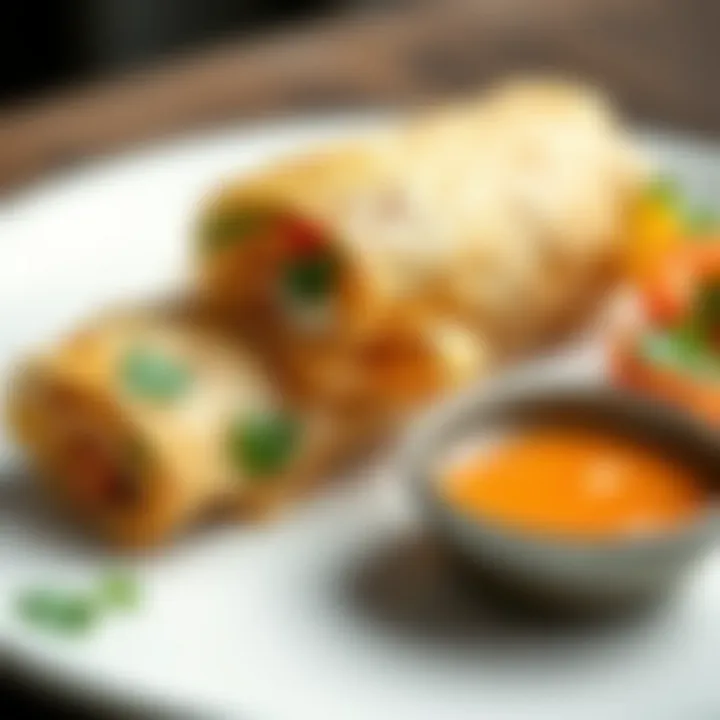
Crafting eye-catching plates requires a mix of creativity and cultural insights. One approach is to utilize contrasting colors and shapes. For instance, arrange colorful sauces beneath the rollitos, creating a vibrant backdrop. Adding garnishes such as microgreens or edible flowers can elevate aesthetics while introducing fresh elements. Consider stacking rollitos at angles for volume or using slate boards for a rustic touch. The idea is to treat the plate like a canvas, with each ingredient placed mindfully, to create a story that speaks to the dish's origin and flavor profile.
Encouraging diners to engage with their food can also be effective. Plating rollitos upright in individual shot glasses filled with sauces not only draws attention but also presents an interactive element. Diners can dip, explore, and savor each flavor in a way that feels hands-on and fun.
Accompaniments and Dips
The right accompaniments and dips can take rollitos from good to unforgettable. They provide an opportunity to elevate each bite, adding variety in taste and texture. By understanding the core flavors of the rollitos being served, you can select dips that complement or contrast beautifully. This branching out into sauces and sides can truly enhance the rollitos experience.
Classic Sauces
When considering classic sauces, it’s simple to see why they remain a popular choice. These sauces often incorporate familiar flavors that resonate with many palates. Think of a rich peanut sauce for Thai-inspired rollitos or a tangy hoisin for a Chinese twist. The beauty of classic sauces lies in their ability to enhance rather than overpower the rollitos themselves.
One of the key characteristics of these sauces is their texture. They often bring a creamy element or sharp tang that contrasts with the rollito’s crisp exterior. However, caution should be exercised; a balance must be struck to ensure the sauce enhances without overwhelming the flavors of the main dish. Using classic sauces might create a safety net, yet they often require a discerning hand to truly shine.
Spicy Variations
For those who enjoy a bit of heat, spicy variations can add an exhilarating zing to the dining experience. Whether it be a fiery Sriracha or a smoky chipotle blend, these dips provide more than just additional flavor; they invite conversation and excitement. The key characteristic of these sauces is their inherent ability to playfully challenge the palate.
Utilizing spicy dips can turn ordinary gatherings into memorable evenings. However, one must be mindful of the varying spice tolerances among guests. Providing an array of spice levels can ensure everyone finds something suited to their taste. Yet, it's essential to keep in mind that not every rollito pairs well with spice; an understanding of flavor combinations is crucial for overall success.
Herb-infused Oils
Herb-infused oils add a touch of sophistication with their aromatic essence. These oils provide a light yet bold complement that enhances flavors rather than masks them. Featuring ingredients such as basil, cilantro, or rosemary, the fragrances from these oils can elevate even the most straightforward rollitos.
Herb-infused oils are particularly advantageous as they can pair well with a variety of ingredients, from fresh vegetables to rich meats. Their versatility makes them a go-to choice for those looking to add a gourmet touch without excessive effort. However, it’s critical to use just enough oil to maintain balance; too much can overshadow delicate flavors.
"Good presentation does not only attract the eyes; it invites curiosity before even the first bite is taken."
In summary, presentations and accompaniments play a significant role in the enjoyment of rollitos. By thoughtfully engaging with colors, textures, and flavors, one can transform a simple dish into an exquisite culinary experience.
The Role of Rollitos in Contemporary Cuisine
The culinary landscape today is vast and varied, with cuisines intertwining in a beautiful tapestry of flavors and traditions. Rollitos have carved out a significant place in this evolving culinary world. Their versatility allows them to adapt to contemporary tastes while still honoring their rich histories. Rollitos are no longer confined to their cultural origins; they have become a social food, found in casual eateries, upscale restaurants, and even in home kitchens around the globe.
Beyond being merely delicious, rollitos carry a narrative. They reflect not just the ingredients used but also the culinary creativity of chefs and home cooks who embrace innovation. This melding of cultural heritage and modern gastronomic practices opens doors to delightful experiments where flavors from different regions come together—think of a Vietnamese rice paper roll infused with Mediterranean herbs or a Latin American-style wrap featuring Asian-inspired sauces.
Moreover, rollitos respond to current dietary trends and health considerations in the culinary space. As people strive for healthier eating habits, rollitos can accommodate these needs seamlessly.
"What sets rollitos apart is their ability to be both a canvas and a comfort food. They can tell the story of a chef, a culture, and even dietary choices—all rolled into one."
Rollitos in Modern Gastronomy
In today’s culinary scene, rollitos are experiencing a renaissance. Chefs are elevating them beyond their traditional presentations. They are not just a quick snack; they have become starter plates, main courses, and even desserts. Different types of wrappers—such as seaweed or fermented options—have entered the fray, pushing culinary boundaries further.
Restaurants like Taco Mia offer rollitos filled with seasonal vegetables and artisanal meats, emphasizing local sourcing. Meanwhile, establishments such as Rollito World introduce innovative flavors, blending unexpected ingredients. The endless possibilities with rollitos mean that creative minds in the kitchen will continue to find new ways to surprise and satisfy diners.
Healthier Alternatives and Dietary Considerations
As society becomes increasingly health-conscious, the quest for healthier dietary choices has led many to reinvent traditional foods. Rollitos are no exception, adopting various alternatives to keep pace with changing consumer demands. Through thoughtful substitutions, they can cater to a broader audience.
Gluten-Free Options
For those seeking gluten-free versions of rollitos, the options expand meaningfully. Corn tortillas, rice wrappers, and even specialized gluten-free wraps allow those avoiding gluten to enjoy the same creativity and flavors. What makes gluten-free rollitos particularly appealing is their lightness. Many people, even those who do not have gluten sensitivities, find that these alternatives offer a fresh, zesty way to enjoy their favorite fillings without that heavy feeling. The challenge lies in maintaining texture and moisture, yet skilled cooks are finding clever ways to rise to the occasion.
Vegan Adaptations
Vegan adaptations of rollitos showcase the growing trend towards plant-based diets. By swapping meat fillings with a variety of colorful vegetables, beans, or tofu, these rollitos not only contribute to health and environmental consciousness but also explode with flavor and nutrition. They offer a delightful balance, allowing eaters to experience the satisfaction of a hearty meal while maintaining a vegan lifestyle. The true beauty lies in making flavorful vegan sauces that complement the fresh ingredients, adding layers of taste.
Low-Calorie Versions
Low-calorie rollitos serve those mindful of their caloric intake without sacrificing flavor or satisfaction. By focusing on fresh, whole ingredients and avoiding heavy sauces, rollitos can be light yet filling. From choosing grilled vegetable fillings to incorporating lean meats or legumes, low-calorie options appeal to a wide audience. Their adaptability has made them a popular choice among fitness enthusiasts and those following weight management plans.
Culmination: The Future of Rollitos
In wrapping up our exploration of rollitos, it's essential to reflect on their significance and the trajectory they're likely to take in the culinary landscape. With their flexible nature and vast possibilities for customization, rollitos can be seen as a canvas for culinary creativity. As food trends continuously evolve, rollitos stand poised to adapt, integrating new flavors and techniques while remaining true to their cultural roots.
Innovations in Rollitos Preparation
In recent years, innovations in rollitos preparation have burgeoned. Chefs and home cooks alike have embraced technology and new culinary science to enhance the textures and flavors of rollitos. For instance, the use of molecular gastronomy techniques offers intriguing possibilities. A chef might employ spherification to create liquid-filled rollitos that burst with flavor when bitten into. This not only redefines the concept of filling but also adds a sensory dimension to the eating experience.
There’s also the increasing use of non-traditional wrappers. While rice paper and egg roll wraps have been staples, creative minds are experimenting with wrappers made from vegetables like zucchini or sweet potatoes. This not only caters to health-conscious individuals but also introduces an exciting color palette that makes dishes visually striking.
Culinary Trends and Rollitos
As we look at culinary trends, it's clear that rollitos are becoming a preferred option in various dining settings, from food trucks to fine dining establishments. Current trends reflect a growing inclination toward plant-based diets. Consequently, vegetarian and vegan rolls are not only gaining popularity but are also being crafted with sophisticated techniques and flavors, thus elevating them beyond mere substitutes for meat.
Environmental sustainability is also entering the conversation. Many consumers are now aware of their food choices' ecological impact, which has led to an increased demand for sustainably sourced ingredients and a focus on zero-waste cooking. Rollitos, with their earmarked capacity for versatility, will likely continue to adapt, featuring locally sourced produce and minimal waste production.
The future of rollitos holds both promise and opportunity. As cultural influences mesh and cross-pollinate, we can expect rollitos to embrace an even broader range of flavors and preparations, appealing to an ever-diversifying audience. With ongoing innovation and a commitment to sustainability, rollitos are not just a passing trend but a lasting culinary phenomenon.